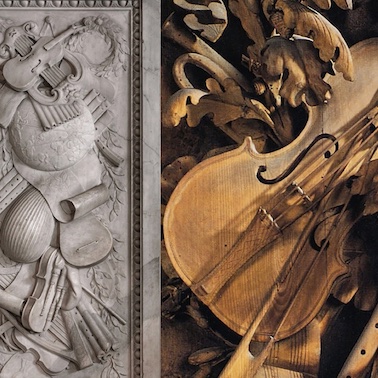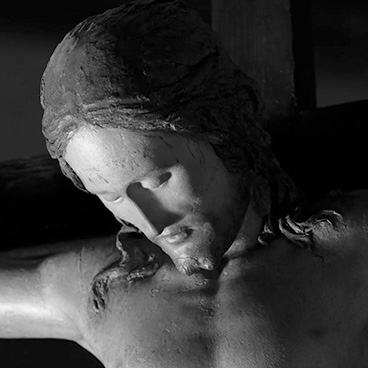
Masters of the Middle Ages. The website Wowwood.nl shows various influential sculptors from the Middle Ages and early Renaissance. Among the well-known names there are also numerous wood carvers who operated from the Low Countries and what later became the Netherlands.
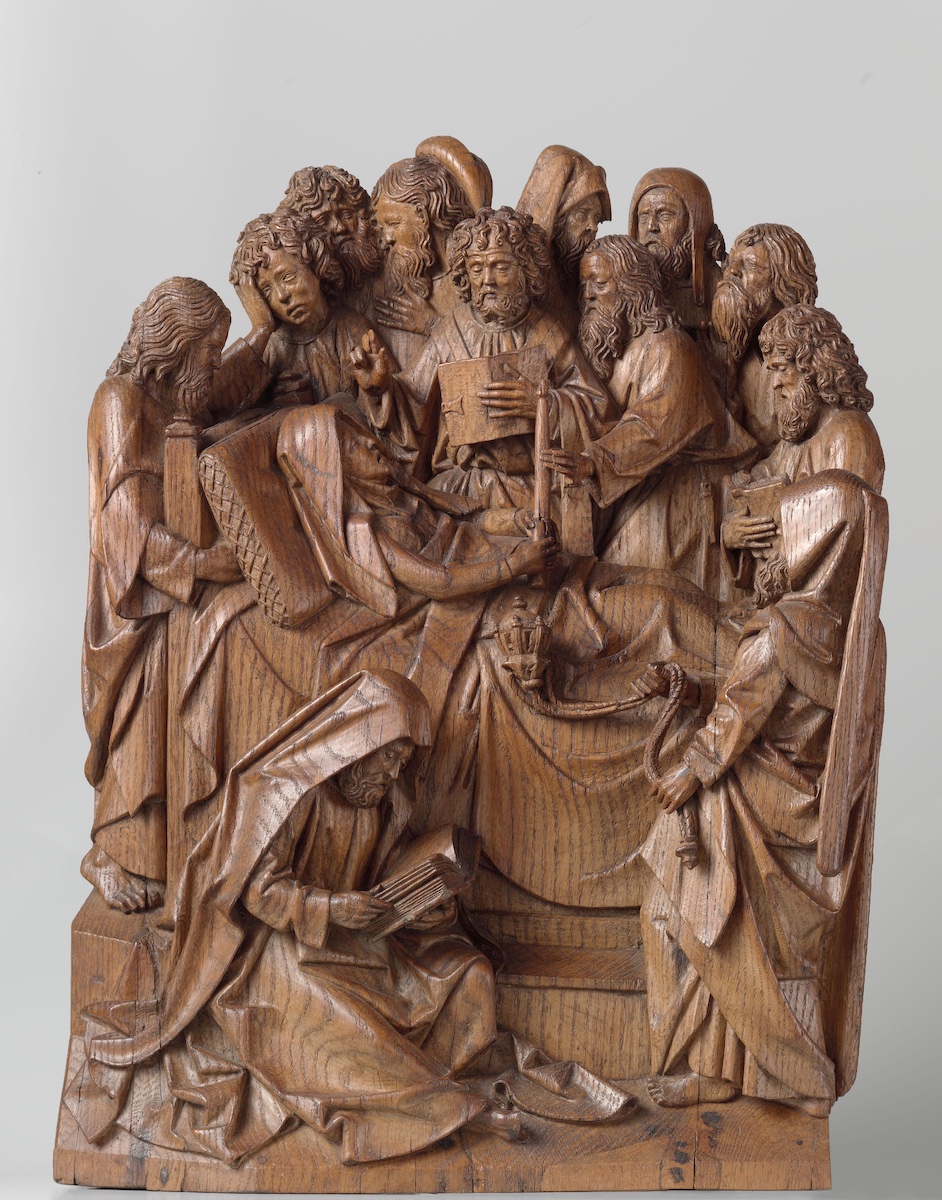
Adriaen van Wesel carved the ‘Deathbed of Mary’ around 1475-1477.
Wood carving reached an absolute peak in the Middle Ages from both a technical, cultural and spiritual point of view.
Technically, wood carvers developed an unprecedented mastery of the material: deep relief, refined draping and expressive facial expressions, as seen with Riemenschneider, Sluter and Van Wesel.
Altars, devotional sculptures and church interiors
In cultural terms, wood was the medium par excellence for altars, devotional sculptures and church interiors. This allowed artists to receive structural commissions and perfect their craftsmanship. In addition, the intense religious experience played a crucial role: sculptures had not only to show, but above all to move and convince churchgoers. Especially the Madonna and Child sculptures fulfilled that role.
Masters of the Middle Ages is therefore certainly not an exaggerated collective name. It was precisely that combination of craftsmanship, social demand and spiritual urgency that brought medieval wood carving to an unparalleled peak.
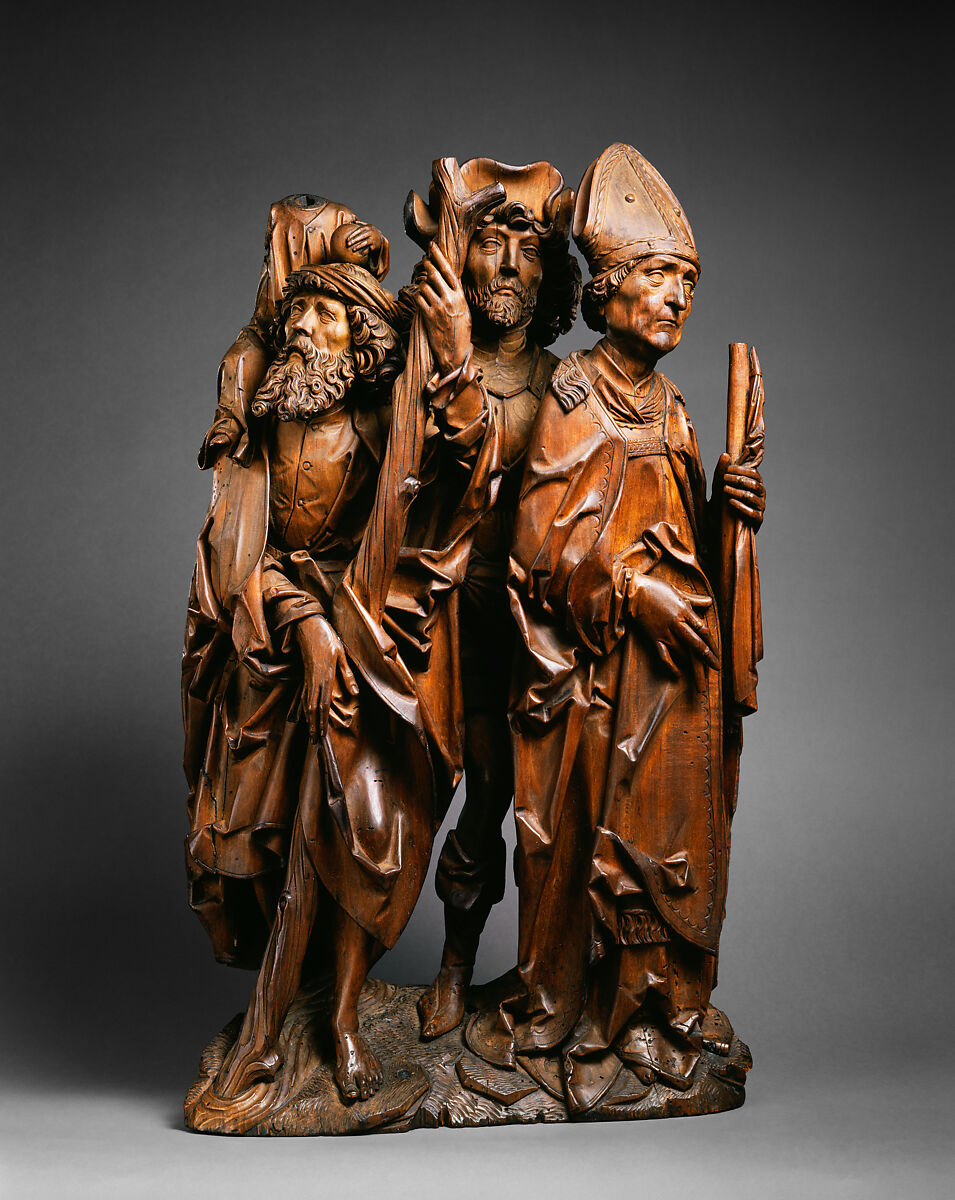
The saints Christopher, Eustace and Erasmus, carved by Riemenschneider around 1500-1505 in Würzburg.
The German Tilman Riemenschneider is known for his expressive wood carving around 1500, in which he depicted religious figures lifelike. That is clearly visible in the sculpture of the first monk in the world, Saint Anthony. The now over 500-year-old sculpture has been eaten by woodworm.
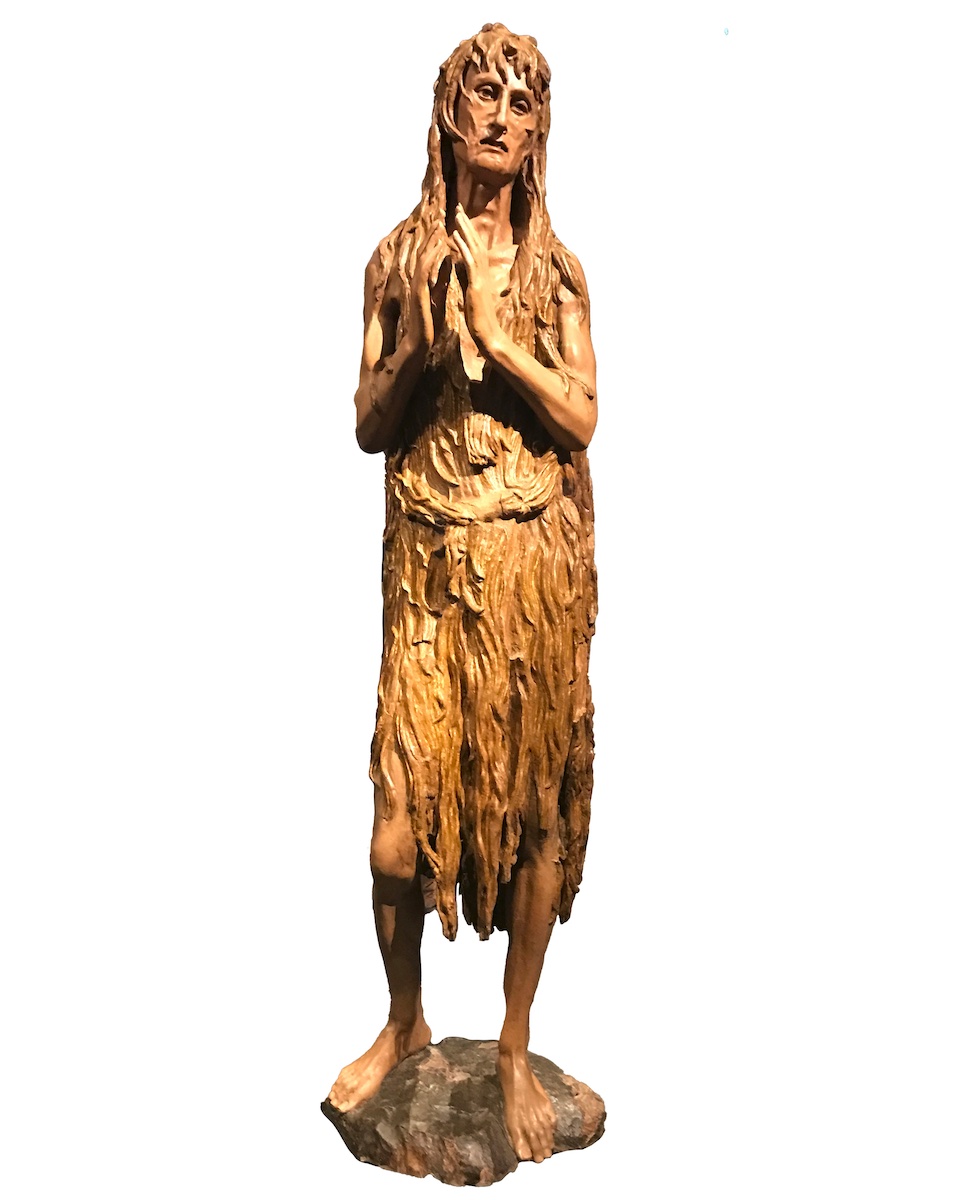
Mary Magdalene in her final years as a hermit, a sculpture from 1453-1455.
Donatello, mainly famous for his marble and bronze sculptures, also made wood carving that is described on Wowwood. His naked Mary Magdalene is so special for the time Donatello lived that it still looks modern even now.
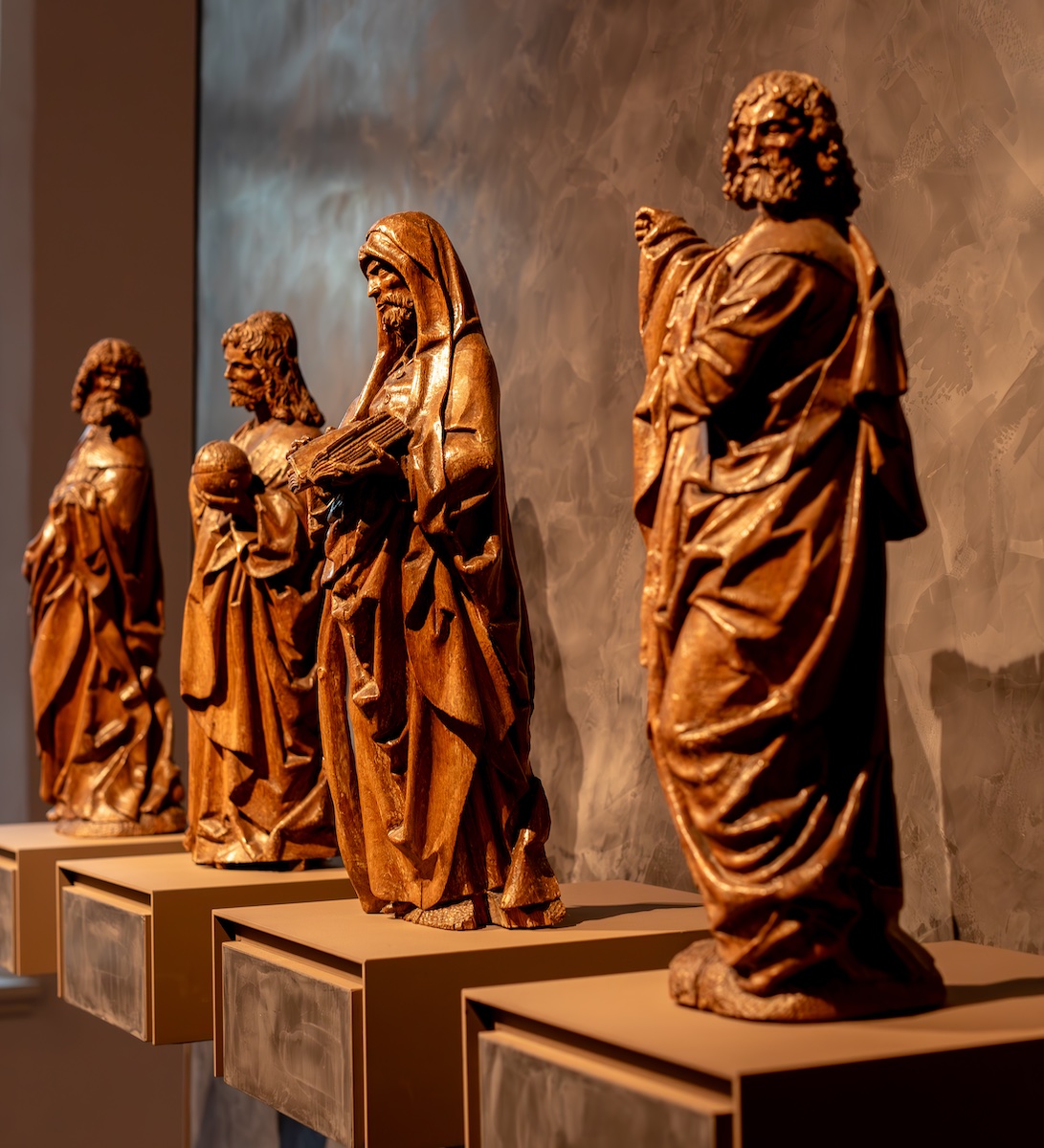
The disciples of Jesus, a sculpture group from the Master of Elsloo workshop, also carved around 1500.
The Master of Elsloo is one of the best-known anonymous wood carvers from the Low Countries. It is not a single man, but a workshop with multiple wood carvers. They shared a characteristic style with typical features. And certainly counted three generations.
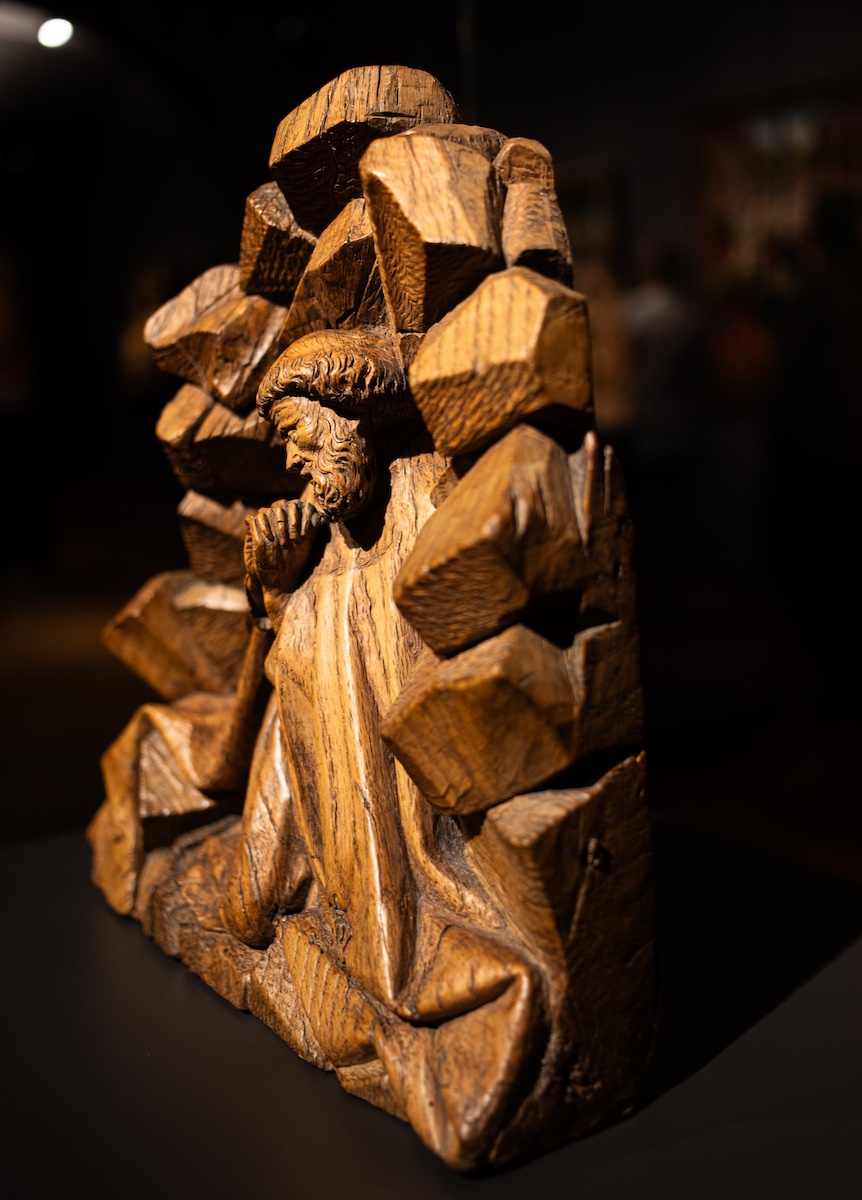
The Master of Hakendover hid Peter in 1425 under the rocks.
The Master of Hakendover is another workshop under which artists worked whose names have been lost. The sculpture of Peter was covered with worn layers of paint and has been beautifully cleaned by the Rijksmuseum. The oak wood even looks like new.
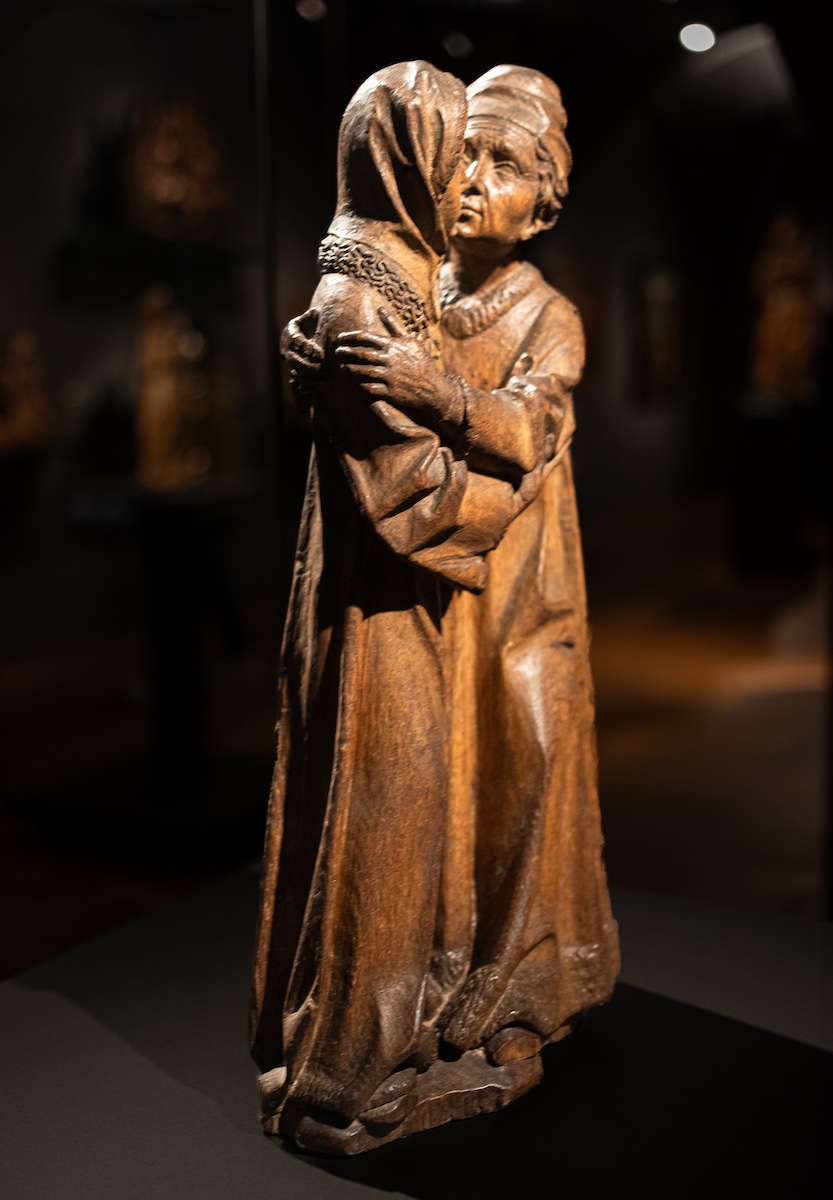
A workshop of a Flemish master was named after a single sculpture, carved between 1460 and 1480.
The Master of Joachim and Anna are named after this one beautiful sculpture, which shows the warm embrace of the elderly couple, after Anna discovered she was pregnant.
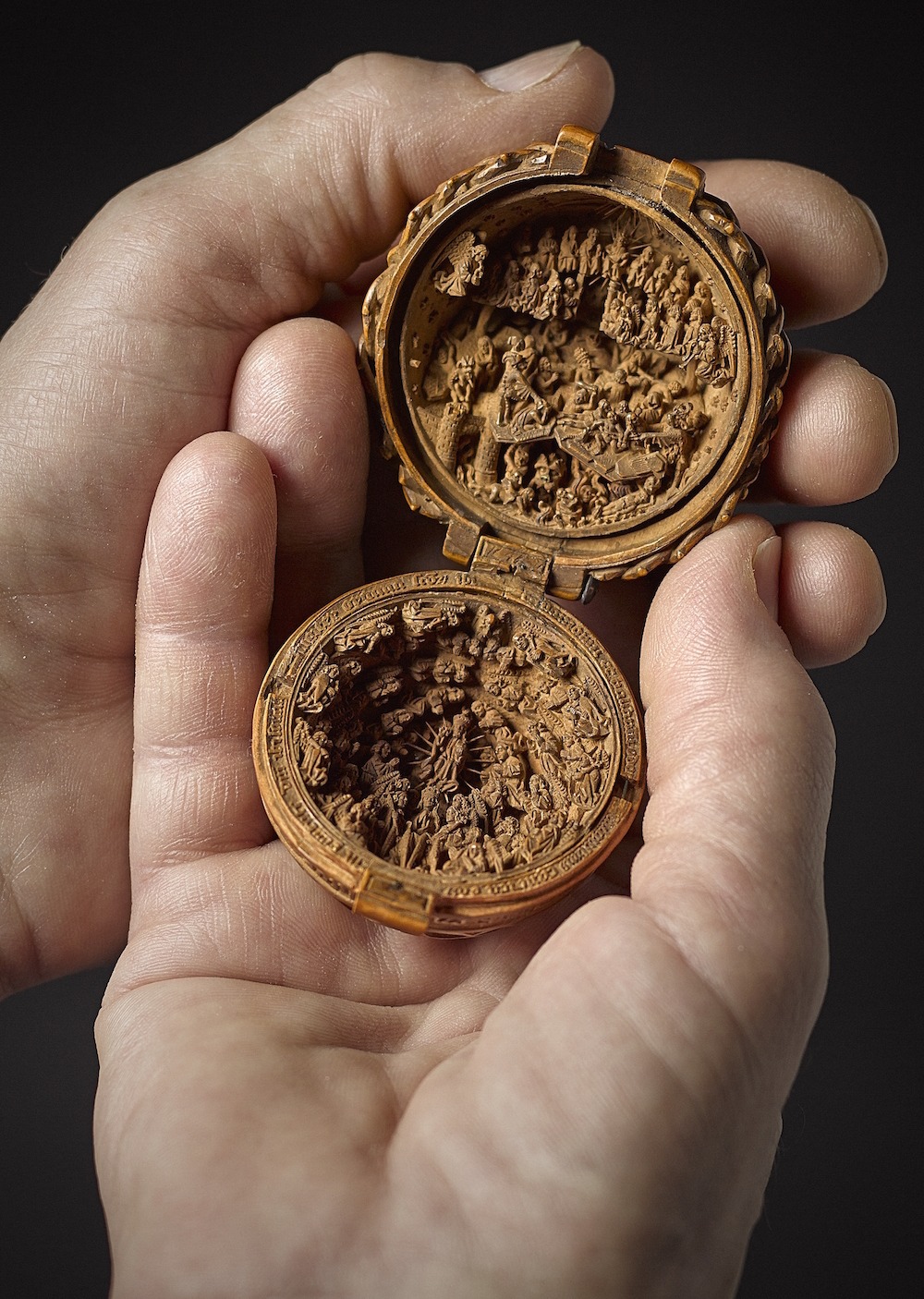
The workshop of Adam Dircksz carved prayer nuts that visitors to the Rijksmuseum still marvel at today,
Adam Dircksz made microscopic prayer nuts, wonders of meticulous wood carving.

Claus Sluter lived from 1350 to 1406 and carved this complex sculpture from yew wood, at the French court.
Claus Sluter was the first sculptor to bring human emotion into wood and stone. The Rijksmuseum has owned one of his rare works in wood since 2021. He was so famous that his name has been preserved.
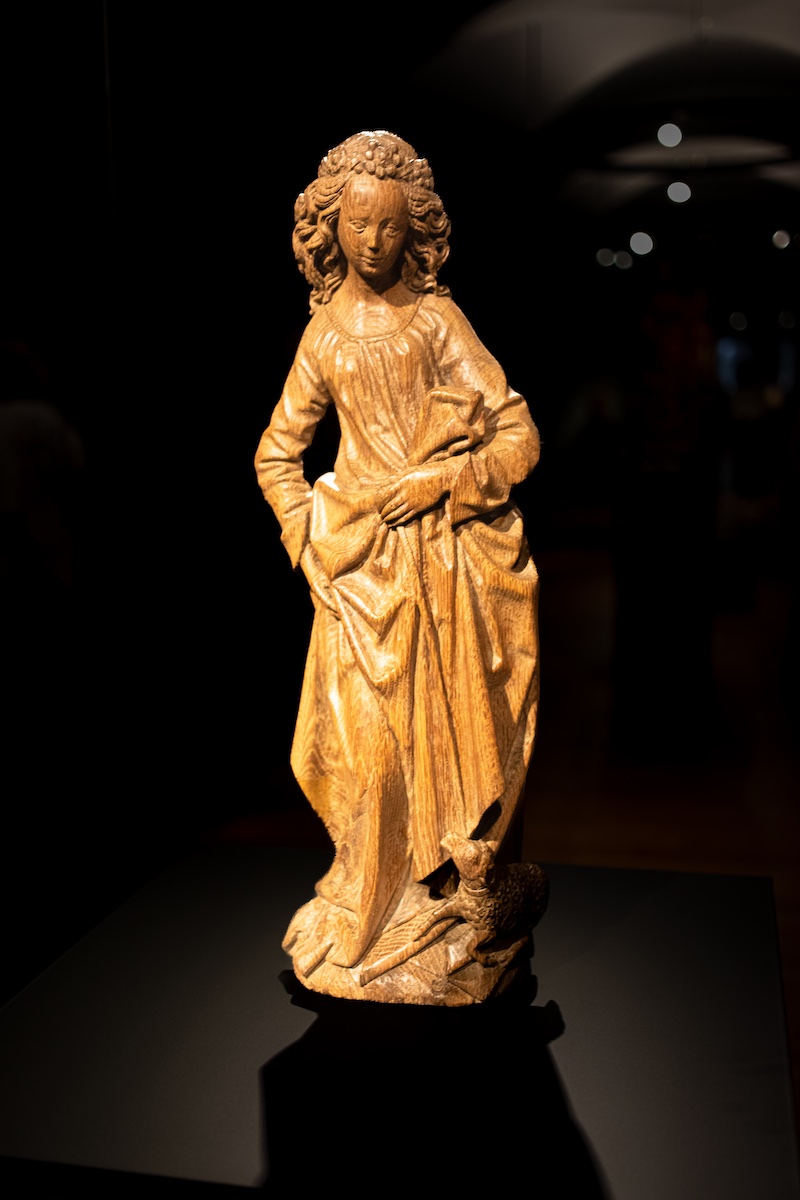
Saint Agnes, one of the beautiful sculptures by Adriaen van Wesel from Utrecht.
But also Adriaen van Wesel already worked under his own name in the late Middle Ages, but that was almost two centuries later again.
All these Masters illustrate the rich diversity of wooden art from the late medieval period.
Jan Bom, January 5, 2026